All Posts By

admin

Exploring the World of Digital Twins – A New Era of Real-Time Virtual Replication

By Technology & Innovation

Exploring the World of Digital Twins – A New Era of Real-Time Virtual Replication

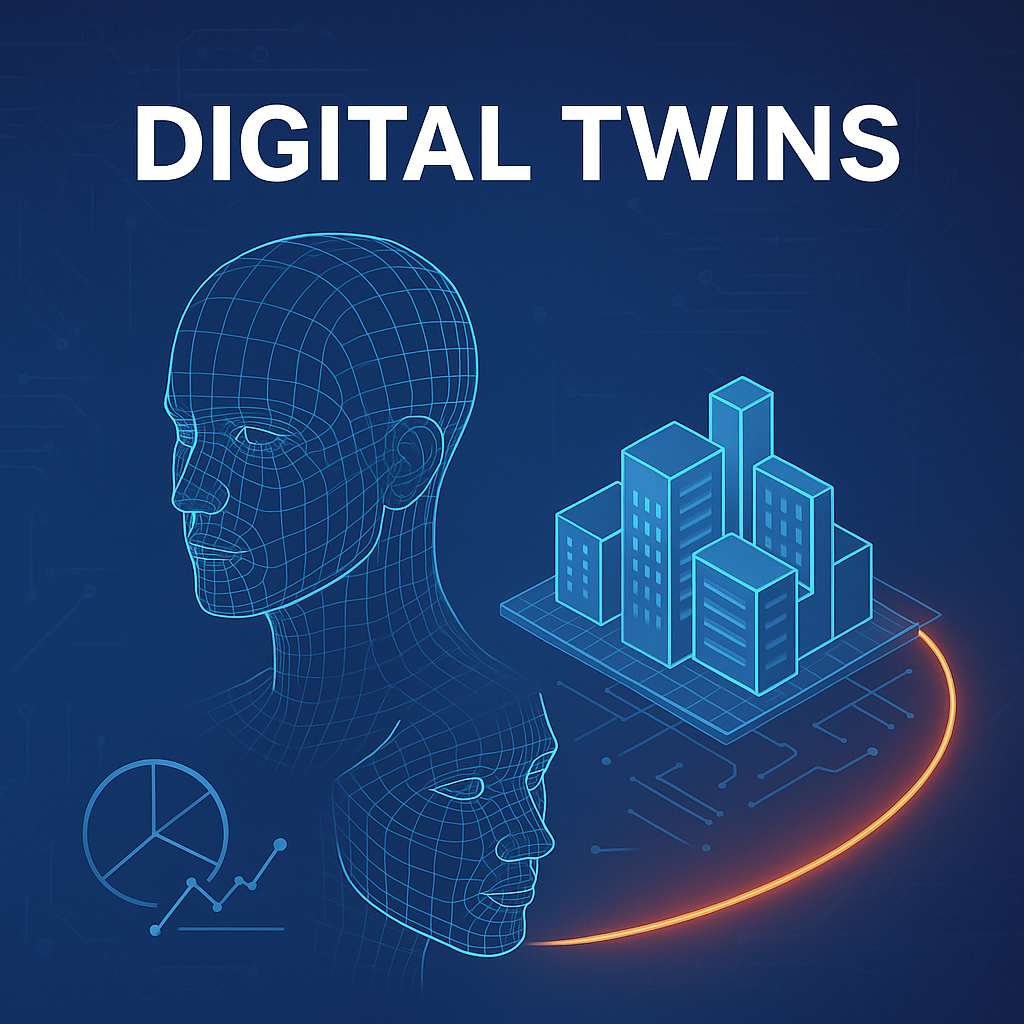
Digital Twins are revolutionizing how we design, monitor, and optimize systems—whether it’s manufacturing lines, smart cities, or even the human body. By creating a real-time, digital replica of physical assets, businesses gain unprecedented insights and control.

🚀 What Makes Digital Twins Game-Changing?

  • Predictive Maintenance: Anticipate equipment failure before it happens.

  • Real-Time Monitoring: Track live data from physical systems.

  • Improved Efficiency: Simulate processes to optimize performance.

  • Innovation at Speed: Test designs or strategies in virtual environments.

💡 Use Cases Across Industries:

  • Healthcare: Modeling patient physiology for precision medicine.

  • Manufacturing: Real-time factory optimization.

  • Smart Cities: Urban planning with real-time simulations.

  • Energy Sector: Optimizing grid performance and forecasting demand.

Digital Twins aren’t just a trend—they’re a core component of Industry 4.0, shaping the future of connected intelligence.

🔗 Stay ahead—explore how Digital Twins can transform your operations.


#DigitalTwins #Innovation #SmartManufacturing #HealthcareTech #Industry40 #RealTimeData #AvieraLabs #AI #ML #EmergingTech #TomorrowTech

AI-Powered Drug Discovery: Revolutionizing Pharmaceuticals

By Technology & Innovation

AI-Powered Drug Discovery: Revolutionizing Pharmaceuticals

In a groundbreaking shift within the pharmaceutical sector, AI is now accelerating drug discovery — turning years of lab work into months of computation.

🚀 What’s New?
Startups and pharma giants alike are leveraging machine learning to predict molecular behavior, identify drug candidates, and simulate clinical trials. AI models analyze vast datasets from genetic research, patient histories, and biomedical literature to discover treatments faster, cheaper, and with higher success rates.

🧪 Recent Breakthroughs

  • Insilico Medicine: Their AI-generated fibrosis drug entered Phase II trials in record time.

  • Atomwise: Uses deep learning to discover small molecule drugs with improved targeting.

  • Google DeepMind’s AlphaFold: Predicts protein structures with high accuracy — a game changer for biology.

💡 Why It Matters
AI shortens the R&D timeline, reduces costs, and personalizes medicine. It’s not just about faster cures — it’s about smarter, safer, and more scalable drug development.

🔮 The future of healthcare isn’t just digital. It’s intelligent.


#AIinHealthcare #DrugDiscovery #PharmaTech #DeepLearning #Bioinformatics #AvieraLabs #TechTrends #Innovation

Augmented Reality in Healthcare: Transforming Diagnosis and Treatment

By Technology & Innovation

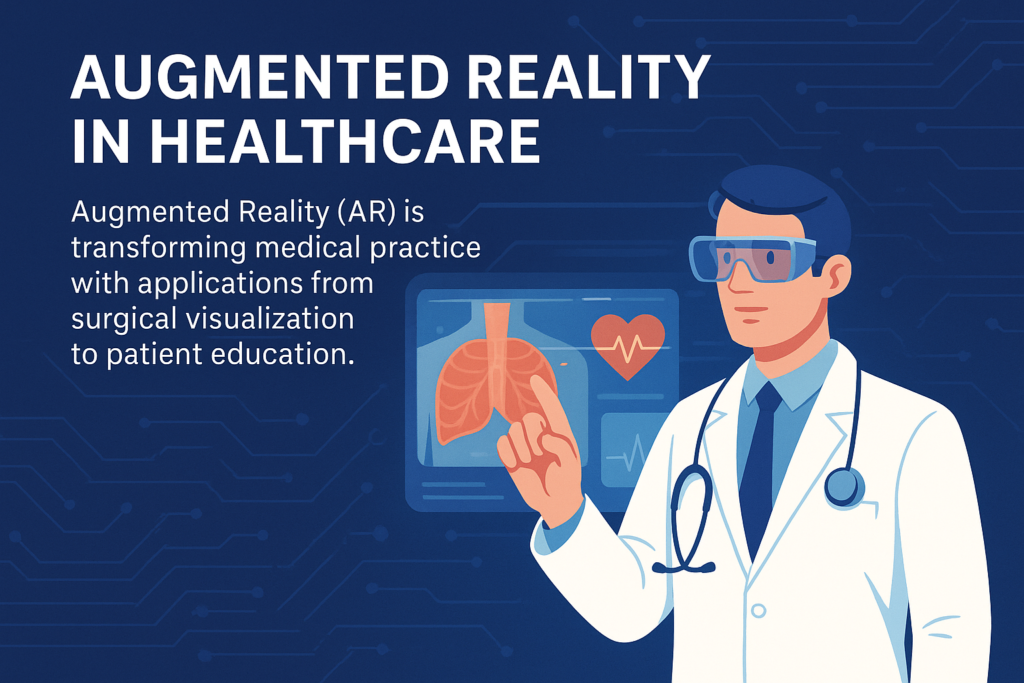
Augmented Reality (AR) is reshaping the future of healthcare—bridging the gap between the physical and digital world in powerful ways. From real-time surgical visualization to enhanced patient education, AR is empowering both medical professionals and patients.

🔍 Key Applications of AR in Healthcare:

  • Surgical Assistance: Real-time AR overlays help surgeons visualize internal structures, improving precision and reducing risks.

  • Medical Training: AR-based simulations offer immersive learning for students and professionals.

  • Patient Education: AR makes complex medical conditions understandable through interactive 3D visuals.

  • Physical Rehabilitation: AR-powered therapy apps guide patients with real-time feedback for better recovery.

🚀 With AR, healthcare is becoming more efficient, accurate, and personalized. It’s not science fiction—it’s science fact, saving lives today.

#AugmentedReality #HealthcareInnovation #MedicalTech #DigitalHealth #ARinMedicine #FutureOfHealthcare #AvieraLabs #TechForGood #HealthTech #InnovationInHealthcare

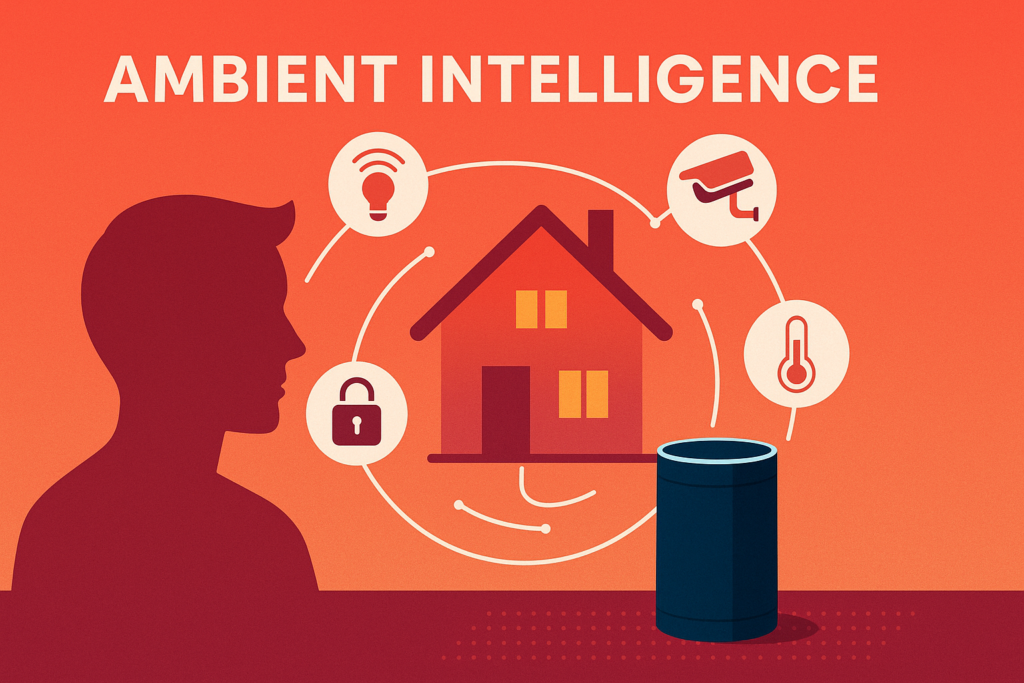
Exploring Ambient Intelligence (AmI)

By Technology & Innovation

In the ever-evolving landscape of intelligent systems, Ambient Intelligence (AmI) stands out as a revolutionary concept that redefines how humans interact with technology. It’s not just about smart devices—it’s about intelligent environments.

🧠 What is Ambient Intelligence?

Ambient Intelligence refers to digital environments that are sensitive, adaptive, and responsive to the presence of people. These environments are embedded with sensors, AI, and networking capabilities to seamlessly assist and anticipate human needs.

🚪 Real-World Applications:

  • Smart Homes: Lights, HVAC, and appliances adapt automatically to user preferences.

  • Healthcare: Monitoring patient vitals in real-time and alerting caregivers proactively.

  • Retail: Smart shelves and facial recognition to personalize shopping experiences.

  • Offices: Intelligent lighting, climate, and productivity tools adjust based on activity.

🔐 Why It Matters:

AmI enhances convenience, safety, and efficiency, while pushing us toward a more intuitive and user-centered digital world. However, it also raises questions about privacy, ethics, and data security, making responsible implementation crucial.


#AmbientIntelligence #SmartTechnology #FutureOfTech #IoT #HumanCentricDesign #AI #SmartEnvironment #AvieraLabs

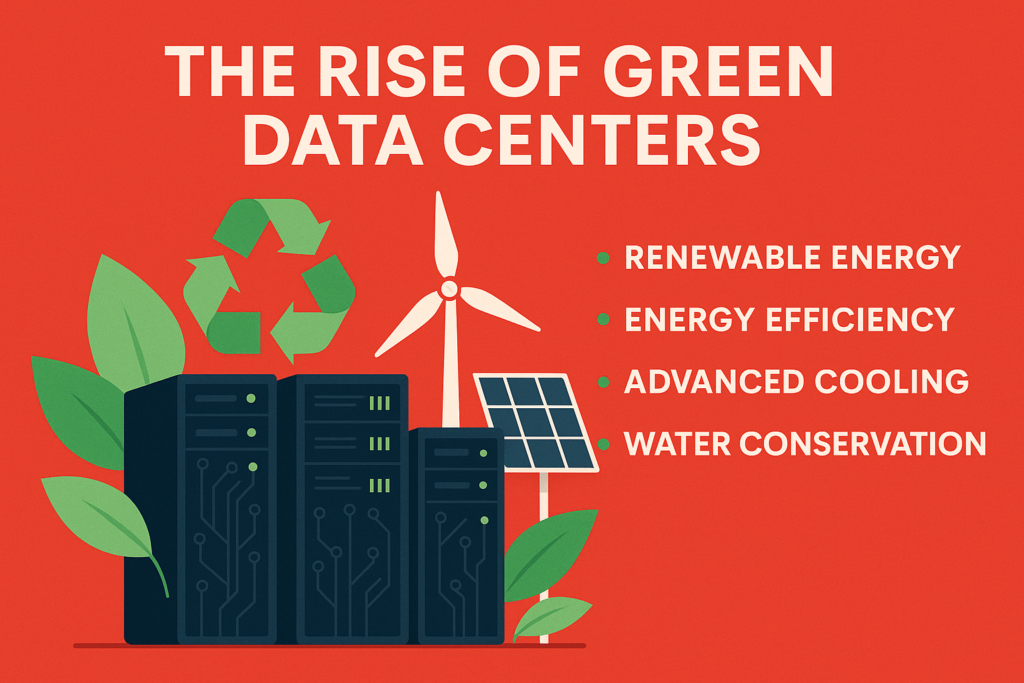
The Rise of Green Data Centers – Tech’s Answer to Climate Change

By Technology & Innovation

As the digital world expands, so does its energy footprint. Data centers alone account for nearly 1% of global electricity demand. But the next generation of data infrastructure is being designed not just for performance, but for planet-first sustainability.

What are Green Data Centers?
Green data centers utilize technologies and practices to reduce environmental impact:

  • Powered by renewable energy (solar, wind, hydro)

  • Advanced cooling systems (liquid or outside-air cooling)

  • Energy-efficient servers and smart workload management

  • Water conservation and heat reuse strategies

Why This Matters:
✅ Slashes carbon emissions
✅ Reduces operating costs
✅ Future-proofs digital infrastructure
✅ Aligns businesses with ESG goals

Big Tech is Already In:
📍 Google, Amazon, and Microsoft are racing to build carbon-neutral and even carbon-negative data centers.

🔍 The Future:
Expect AI-powered energy optimization, modular data centers, and even data centers under water (yes, really).


#Tags:
#GreenTech #Sustainability #DataCenters #ClimateAction #AI #TechForGood #CleanEnergy #FutureOfTech #DigitalSustainability #AvieraLabsInsights

Self-Healing Materials – The Future of Durable Design

By Technology & Innovation

Self-Healing Materials – The Future of Durable Design

Imagine a world where your phone screen repairs itself after a scratch, or infrastructure like bridges and pipelines can automatically fix small cracks before they become catastrophic. Welcome to the fascinating world of Self-Healing Materials.

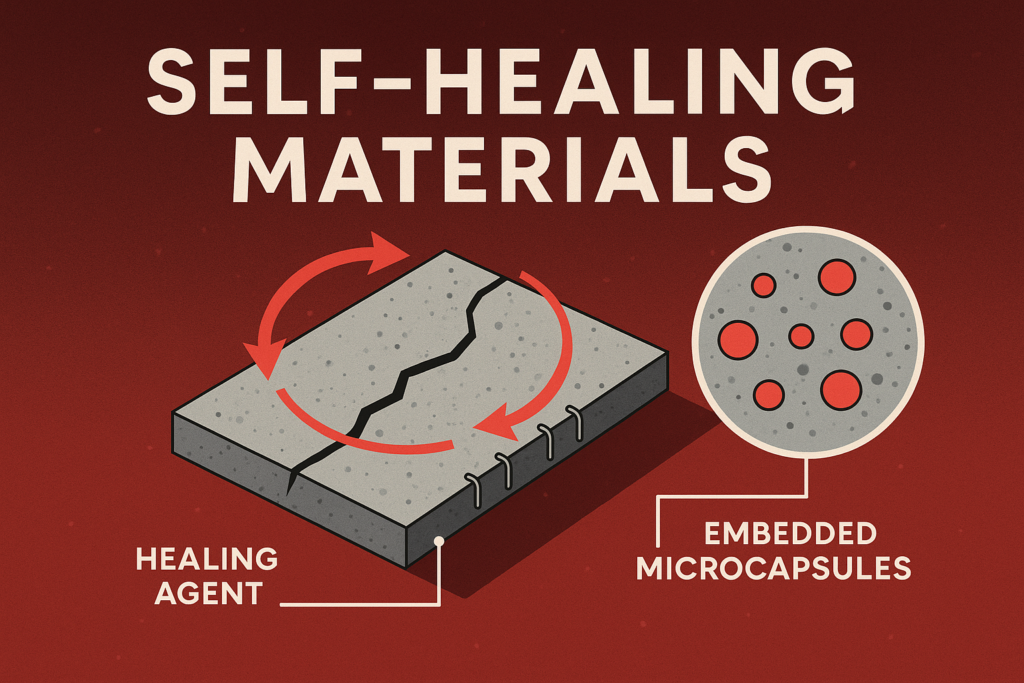
These innovative materials are inspired by biological systems—just as our skin heals after a cut, these materials can restore themselves when damaged. They incorporate embedded microcapsules or vascular networks filled with healing agents. When a material is damaged, the capsules break and release these agents, which react and “heal” the crack or tear.

Key Applications:

Consumer Electronics: Self-repairing phone screens and flexible devices.

Aerospace and Automotive: Materials that detect and repair microfractures in real time.

Construction: Concrete that seals its own cracks, reducing long-term maintenance.

Medical Devices: Implants that last longer by regenerating minor damages.

Why It Matters:

Extends product life

Reduces maintenance costs

Increases safety in critical infrastructure

Moves us closer to sustainable manufacturing

As this field matures, we can expect to see broader adoption across industries, making our world more resilient and efficient.

🔖 Tags: #SelfHealingMaterials #SmartMaterials #Innovation #MaterialScience #FutureTech #Sustainability #Engineering #AvieraLabs #TechTrends #AIEnabledDesign

DNA Data Storage – The Future of Digital Memory

By Technology & Innovation

As the world generates more data than ever before, traditional storage solutions are nearing their limits. Enter DNA Data Storage—a revolutionary method that uses synthetic DNA strands to store digital information.

🧬 What is DNA Data Storage?
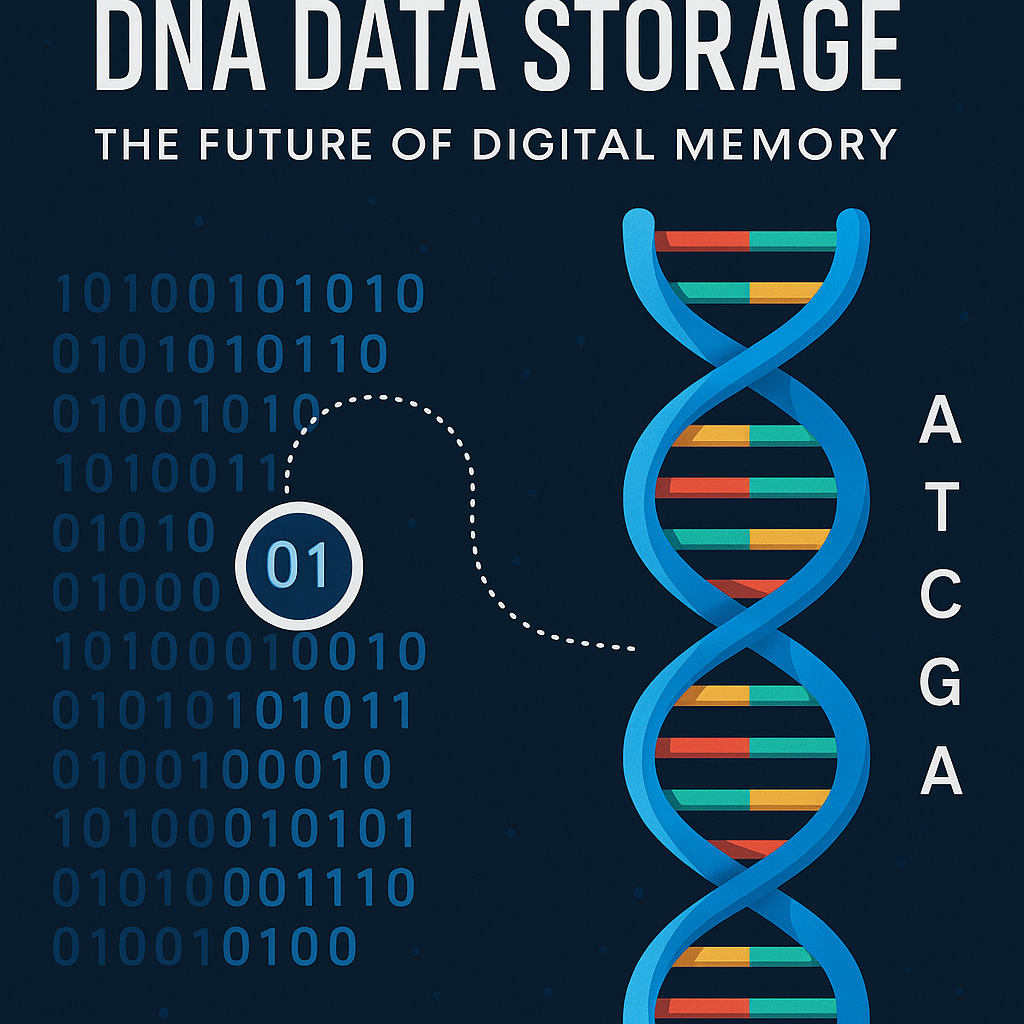
It’s the process of encoding binary data (1s and 0s) into the sequences of DNA bases (A, T, C, G). A single gram of DNA can store up to 215 petabytes of data—far surpassing any silicon-based storage.

💡 Why it matters:

  • Ultra-compact: Store entire data centers in a sugar cube.

  • Long-term durability: DNA can remain intact for thousands of years.

  • Eco-friendly: Requires no electricity to store.

🔍 Current Applications:

  • Archiving historical documents and scientific data

  • Data preservation for future generations

  • Secure storage for governments and institutions

🚀 Future Outlook:
While still costly and experimental, advancements in biotech and AI are making DNA data storage more accessible. It holds the promise of transforming how we preserve knowledge in the digital age.

#DNAStorage #FutureOfTech #Biotech #DigitalInnovation #NextGenStorage #AVIERALABSInsights


Quantum Internet – The Next Revolution in Connectivity

By Technology & Innovation

As we push the boundaries of technology, Quantum Internet emerges as the next game-changer—offering ultra-secure communication, blazing-fast data transmission, and a completely new internet architecture based on quantum mechanics.

🔍 What is Quantum Internet?
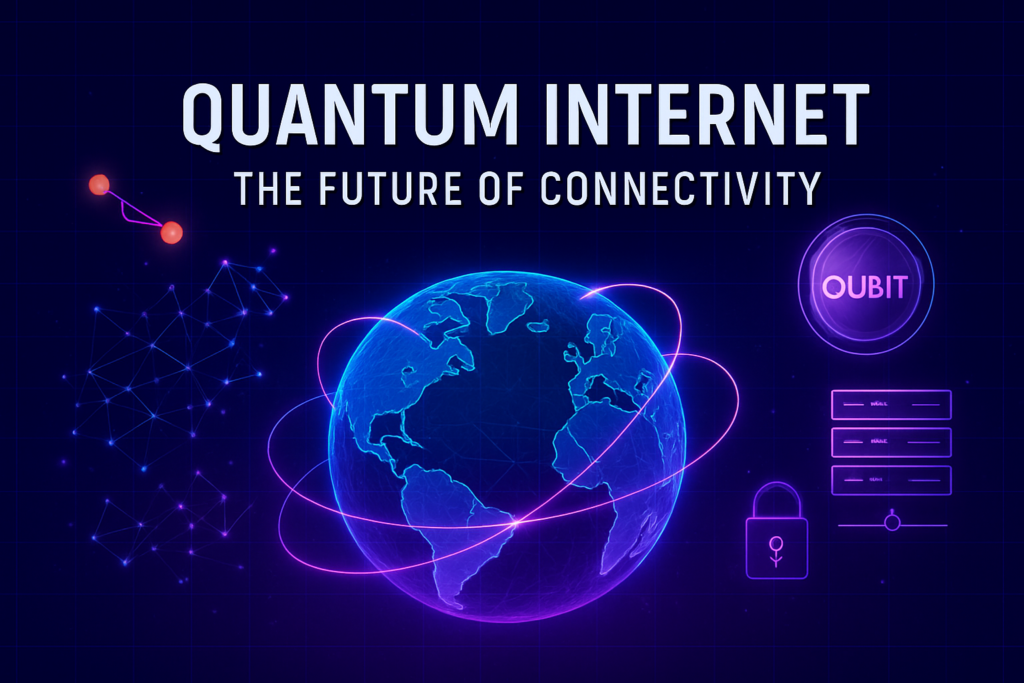
It’s a new kind of internet that uses quantum entanglement and quantum key distribution (QKD) to transmit information. Unlike classical networks, data isn’t just encoded in bits—it’s encoded in qubits, enabling next-level encryption and speed.

🔐 Why It Matters:

  • Virtually unhackable communication

  • Instantaneous transmission of encrypted data

  • Enables future quantum cloud computing

  • Will support the quantum AI systems of tomorrow

🌐 Real-World Implications:

  • Governments can share classified data with zero interception risk

  • Financial institutions can process secure transactions

  • Healthcare can protect sensitive patient data

  • Research can connect supercomputers across continents

🧠 The Future is Quantum:
With global efforts from NASA, China, and the EU, we’re inching closer to the Quantum Internet Era—one that will transform industries and redefine digital trust.


#QuantumInternet #QuantumComputing #FutureOfInternet #QKD #TechTrends #CyberSecurity #AI #Innovation #NextGenTech #AvieraLabs

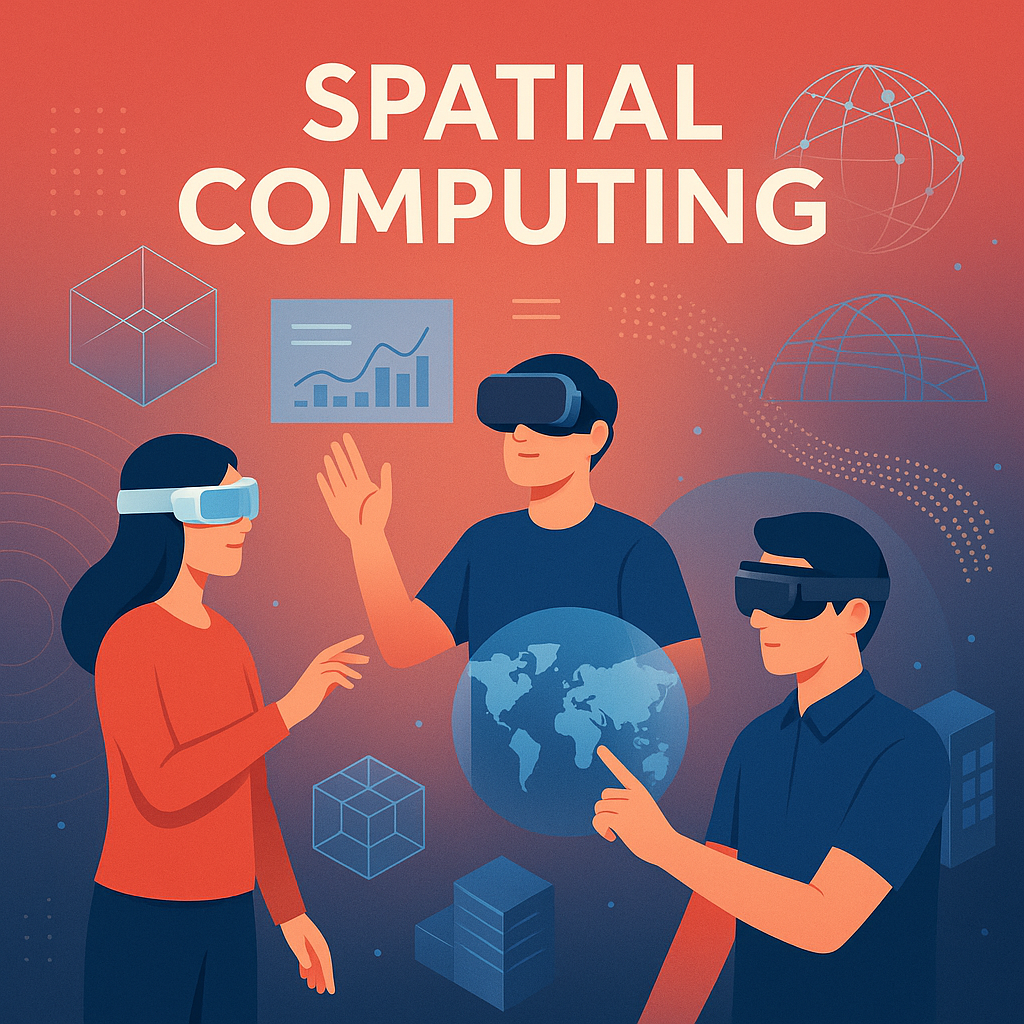
Spatial Computing – The Future of Human-Tech Interaction

By Technology & Innovation

Imagine interacting with your digital world not through screens or keyboards, but through your space—where your movements, gestures, and even voice bring computing to life around you.

Welcome to Spatial Computing—the convergence of augmented reality (AR), virtual reality (VR), artificial intelligence (AI), and Internet of Things (IoT) that allows humans to interact with digital content in 3D space.

🔍 What Is It?
Spatial computing enables devices to understand and respond to the physical environment, allowing digital information to be embedded and manipulated in real-world surroundings.

🚀 Why It Matters:

  • Enhances user experience through immersive environments

  • Powers future interfaces—think smart glasses, holograms, and AR workspaces

  • Revolutionizes industries like healthcare, architecture, education, and manufacturing

💡 Examples in Action:

  • Doctors using AR for real-time surgical guidance

  • Architects visualizing 3D models in physical space

  • Retail using spatial interfaces for virtual shopping

🔮 The Future:
With Apple Vision Pro and Microsoft’s HoloLens leading the way, spatial computing is becoming a foundational layer of the post-smartphone era.

👉 Stay ahead. Embrace the spatial revolution.


#SpatialComputing #AugmentedReality #TechnologyInnovation #FutureOfWork #ImmersiveTech #AI #AR #VR #AvieraLabs #DigitalTransformation

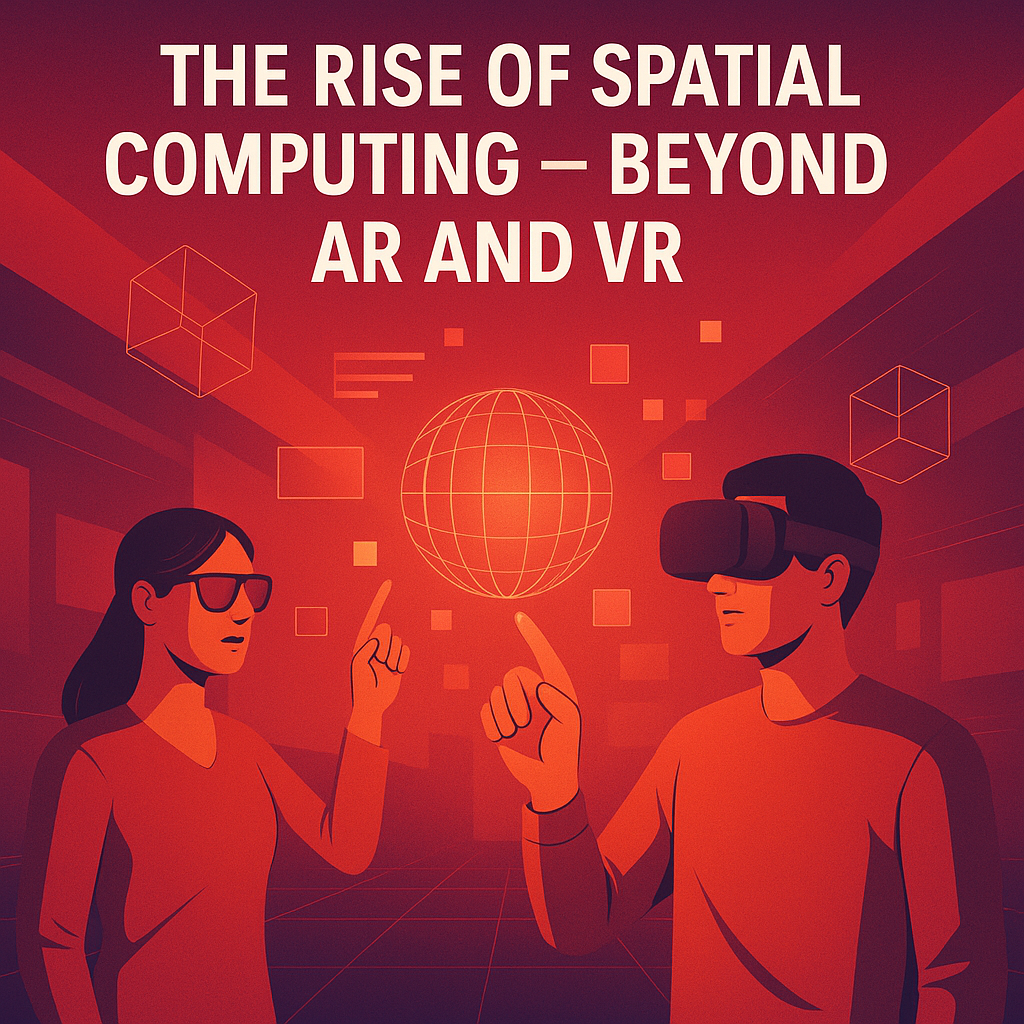
The Rise of Spatial Computing – Beyond AR and VR

By Technology & Innovation

The Next Leap in Human-Computer Interaction
Spatial computing is reshaping how we interact with digital and physical environments. It’s not just about AR/VR anymore—it’s about making the digital world exist and respond in 3D space.

🔍 What is Spatial Computing?
Spatial computing blends sensors, cameras, and AI with real-world spaces. It allows computers to track, understand, and respond to human movement and surroundings in real time.

🔧 Real-World Applications:

  • Healthcare: Precision-guided surgeries with real-time data overlays.

  • Retail: Immersive shopping experiences from your living room.

  • Manufacturing: Hands-free assembly instructions in augmented spaces.

  • Training & Education: Real-world simulations for high-stakes learning.

💡 Why It Matters
It’s not just another tech buzzword. Spatial computing brings us closer to natural, seamless interfaces that adapt to you. Think Apple Vision Pro, Meta’s Reality Labs, and Microsoft’s HoloLens—all leading this shift.

🔮 The Future is Spatial.
At AVIERA LABS, we’re excited by the potential of spatial computing to power the next generation of enterprise solutions, immersive applications, and interactive environments.

#SpatialComputing #AR #VR #MixedReality #FutureOfTech #DigitalTransformation #Innovation #AvieraLabs #TomorrowTech #AI #HumanComputerInteraction