Monthly Archives

April 2025

Haptic Technology: Touching the Digital World

By Technology & Innovation

Introduction

In an age dominated by screens and voice commands, Haptic Technology adds a powerful new dimension to human-computer interaction—touch. By recreating the sensation of physical contact in digital environments, haptics is transforming how we experience virtual reality, gaming, robotics, medicine, and beyond.


What is Haptic Technology?

Haptic technology refers to any system that uses mechanical stimulation—such as vibration, pressure, or motion—to simulate the feeling of touch. These sensations are delivered through specialized devices like gloves, suits, joysticks, or wearables, giving users physical feedback while interacting with digital content.


Why It Matters

  • Enhanced Immersion: Adds a new sensory layer to virtual and augmented experiences.

  • 🧠 Natural Interaction: Mimics real-world touch, making interfaces intuitive and responsive.

  • 💡 Multisensory Learning: Supports more effective education, especially in tactile subjects.


Applications of Haptic Technology

🎮 Gaming

Feel the texture, force, and weight of virtual objects for truly immersive gameplay.

🏥 Medical Training

Simulate surgical procedures with precision, allowing students to learn hands-on—without risk.

🤖 Robotics

Remote operators can “feel” what robots touch, improving accuracy in delicate tasks.

🛍️ E-commerce & Retail

Let users “feel” fabrics or surfaces digitally before making a purchase.

✈️ Aviation & Automotive

Haptic alerts improve safety by providing tactile feedback to pilots and drivers.


The Future of Haptics

As technology advances, haptics is moving beyond vibration into rich, programmable sensations. From full-body suits to neural-feedback systems, the future of haptics promises fully immersive, lifelike digital environments that engage more than just our eyes and ears.


Conclusion

Haptic technology is not just about feedback—it’s about bringing feeling into the digital age. As it integrates with AR, VR, AI, and wearable tech, it will unlock deeper, more meaningful experiences across every industry.


🔗 Follow Aviera Labs – Touch the future with us
👉 Facebook | 🌐 AvieraLabs.com

#Haptics #FutureTech #TouchTheFuture #Innovation #AvieraLabs #ImmersiveTech
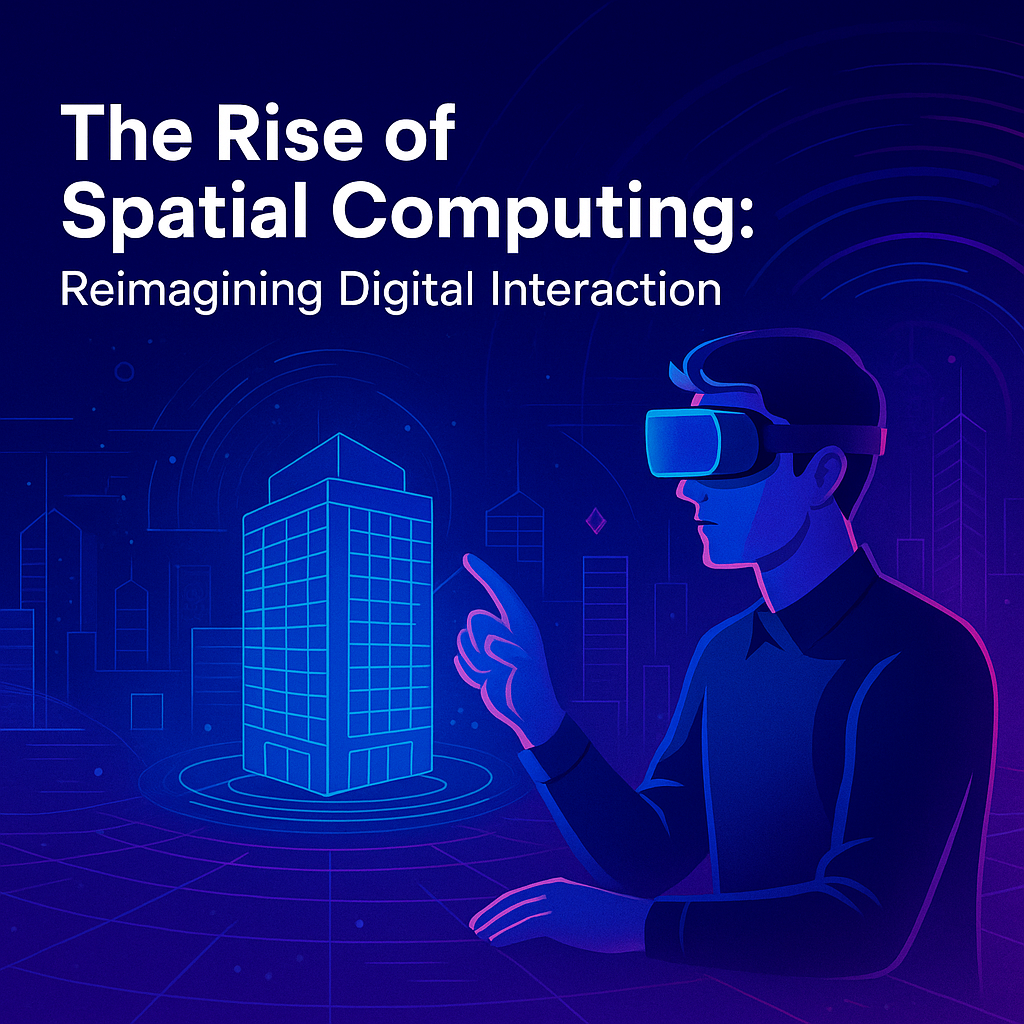
The Rise of Spatial Computing: Reimagining Digital Interaction

By Technology & Innovation

Introduction

In a world moving beyond screens and traditional interfaces, Spatial Computing is redefining how we interact with digital content. From virtual objects you can touch to immersive environments that respond to your presence, spatial computing is bridging the gap between the physical and digital like never before.


What is Spatial Computing?

Spatial computing refers to the ability of computers to understand and interact with the 3D physical space around us. It blends technologies like augmented reality (AR), virtual reality (VR), mixed reality (MR), computer vision, and sensors to let users engage with digital content in a physical environment—making digital elements feel truly “real.”


Why Spatial Computing Matters

  • 🌍 Enhanced Immersion: Interact with 3D content naturally, using gestures, voice, and gaze.

  • 🧠 Smarter Machines: Devices can understand environments, objects, and user behavior contextually.

  • 🚀 Revolutionizing Industries: From remote work to healthcare, training, and entertainment.


Applications of Spatial Computing

🛠️ Architecture & Design

Visualize buildings and interiors in real space before construction begins.

🎮 Gaming & Entertainment

Offers truly immersive gameplay experiences where users can “walk into” the game world.

🏥 Healthcare

Assist in surgeries, diagnostics, and therapy using precise 3D modeling and simulations.

🧑‍🏫 Education & Training

Simulate complex scenarios, enabling interactive learning in real-world contexts.


The Future of Spatial Computing

With companies like Apple (Vision Pro), Microsoft (HoloLens), and Meta (Quest) leading the way, spatial computing is heading toward mainstream adoption. As hardware becomes more compact and AI enhances contextual awareness, we’ll see this tech deeply integrated into our daily lives.


Conclusion

Spatial Computing is not just another tech trend—it’s a fundamental shift in human-computer interaction. By merging digital intelligence with the physical world, it opens up endless opportunities for businesses, creatives, and innovators.


🔗 Stay connected with Aviera Labs – where the future takes shape
👉 Facebook | 🌐 AvieraLabs.com

#SpatialComputing #AR #VR #Innovation #FutureOfTech #AvieraLabs #DigitalInteraction

Biocomputing: When Biology Meets Digital Intelligence

By Technology & Innovation

Introduction

As the boundaries between biology and technology blur, a new field is emerging that could transform everything we know about computing: Biocomputing. Also known as biological computing or molecular computing, this technology uses biological molecules—primarily DNA—as a medium to perform computations. This radical shift is redefining how we process information, potentially offering exponential speed, storage, and efficiency.


What is Biocomputing?

Biocomputing is the science of using biological systems—especially DNA, proteins, or cells—to perform logical operations and solve problems, just like a computer does. These systems leverage the inherent capabilities of molecules to store, process, and transmit data in ways that digital circuits cannot match.


Why It Matters

  • 🧬 Massive Storage Potential: A single gram of DNA can hold over 215 petabytes of data.
  • 🌱 Eco-Friendly: Uses biological systems that are sustainable and energy-efficient.
  • Speed & Miniaturization: Molecular reactions can process vast data sets in parallel.
  • 🔬 Medical Revolution: Enables smart drugs and bio-devices to operate inside the body.

Applications of Biocomputing

🧠 Brain-like Processing

Mimics biological decision-making processes for smarter AI models.

🧪 Smart Healthcare

Biocomputers inside cells can detect diseases and release drugs only when needed.

💾 Data Storage

DNA storage systems can preserve massive archives for centuries without degradation.

🧫 Synthetic Biology

Design and programming of living organisms to perform computational tasks.


The Future of Biocomputing

As research accelerates, the future may see living devices capable of thinking, diagnosing, adapting, and interacting with humans more naturally than ever before. Biocomputing may become the foundation of future bio-digital hybrids, redefining medicine, IT, and even our understanding of life.


Conclusion

Biocomputing is not just a new kind of computing—it’s a revolution in how we think about information itself. By combining biology with advanced technology, we’re stepping into a world where DNA and data intertwine to build a smarter, healthier future.


🔗 Explore more with Aviera Labs – where innovation comes alive
👉 Facebook | 🌐 AvieraLabs.com

#Biocomputing #DNAStorage #BioTech #Innovation #FutureTech #AvieraLabs #TechTrends

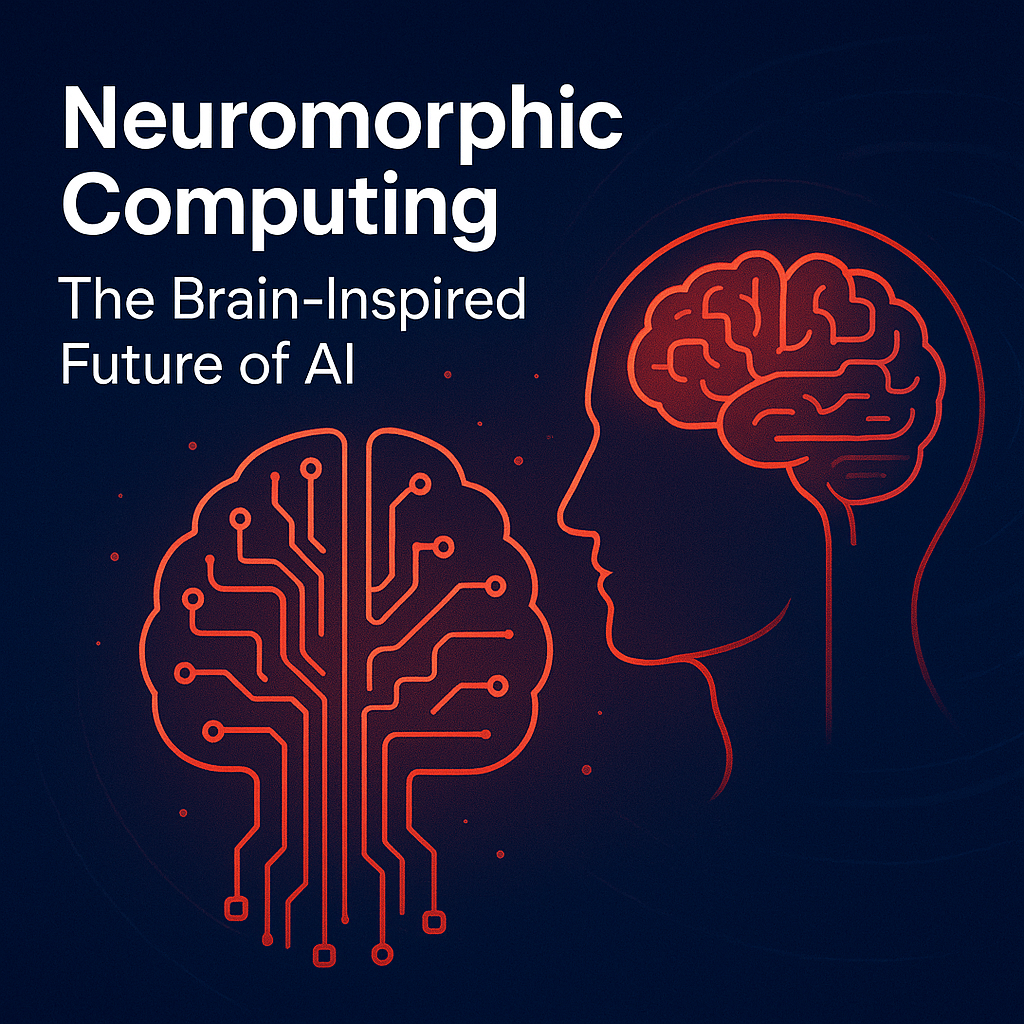
Neuromorphic Computing: The Brain-Inspired Future of AI

By Technology & Innovation

Introduction

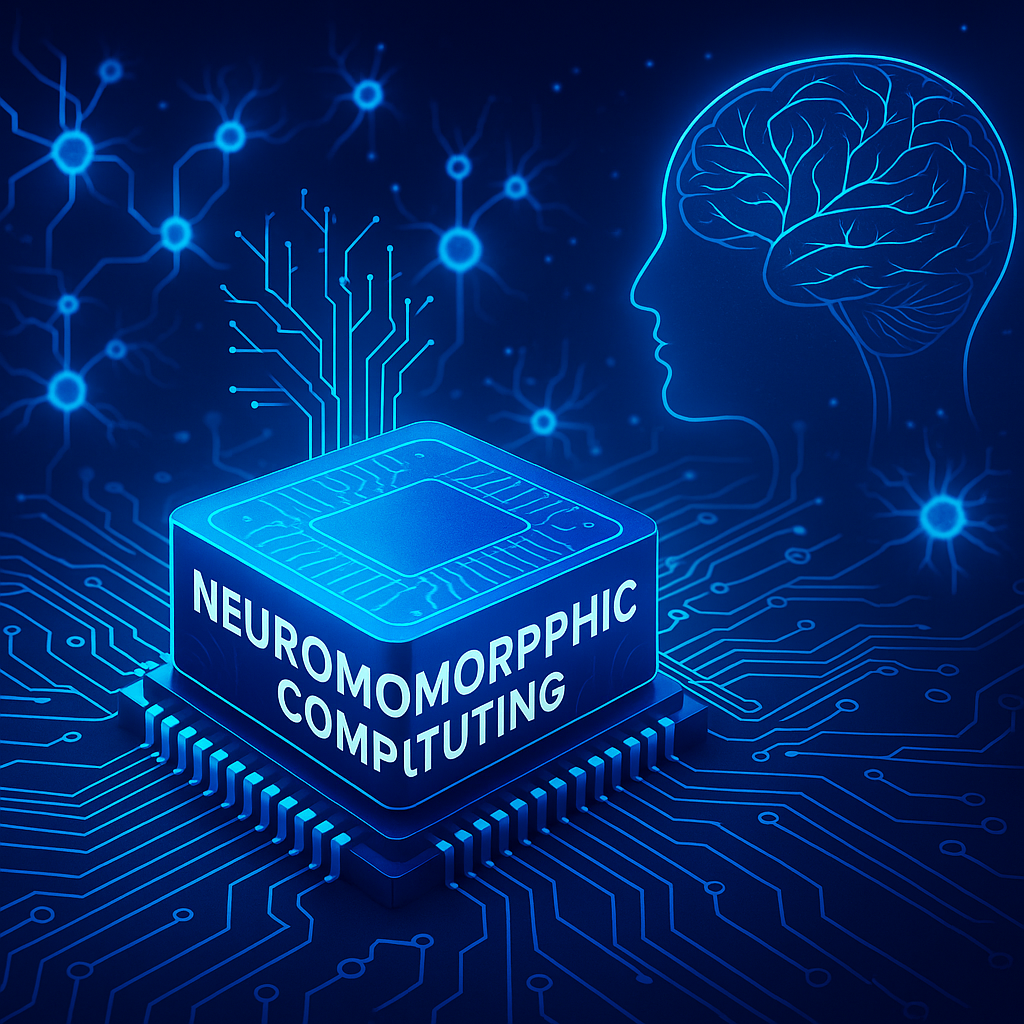
As artificial intelligence continues to advance, the need for more efficient, adaptable, and intelligent computing systems has become critical. Enter Neuromorphic Computing—a cutting-edge approach inspired by the human brain’s structure and functioning. This revolutionary technology aims to bridge the gap between silicon and synapses, offering a more natural, energy-efficient way for machines to learn and process data.


What is Neuromorphic Computing?

Neuromorphic computing mimics the neural architecture of the human brain using specialized hardware like spiking neural networks (SNNs). Unlike traditional computing, which processes information sequentially, neuromorphic systems process data in parallel through interconnected “neurons” and “synapses”, just like our brains.


Why It Matters

  • Ultra-Efficient: Uses far less power than conventional AI hardware.
  • 🧠 Brain-Like Learning: Processes data with minimal supervision, ideal for edge AI.
  • 🕒 Real-Time Adaptation: Learns from and reacts to dynamic environments instantly.
  • 📉 Reduced Latency: Eliminates the need to offload data to cloud services.

Applications of Neuromorphic Computing

🤖 Autonomous Systems

Enhances real-time decision-making in drones, robots, and self-driving cars.

📱 Edge Devices

Powers smart sensors, wearable devices, and IoT systems with minimal energy consumption.

🏥 Healthcare

Supports intelligent implants, brain-computer interfaces, and neurological simulations.

🌐 Cybersecurity

Enables fast anomaly detection and adaptive threat recognition with minimal resource use.


Looking Ahead

Tech giants like Intel (Loihi), IBM (TrueNorth), and startups are actively investing in neuromorphic chips. As this technology evolves, it has the potential to redefine the foundation of AI and computing, making machines not just faster—but truly smarter.


Conclusion

Neuromorphic computing represents a bold step toward human-like intelligence in machines. It offers a scalable, energy-efficient, and adaptive foundation for the next generation of smart technology.


🔗 Stay ahead with Aviera Labs — where innovation meets impact
👉 Facebook | 🌐 AvieraLabs.com

#NeuromorphicComputing #AI #EdgeAI #FutureOfTech #Innovation #AvieraLabs #TechTrends

Digital Twins: Merging Reality with Virtual Precision

By Technology & Innovation

Introduction

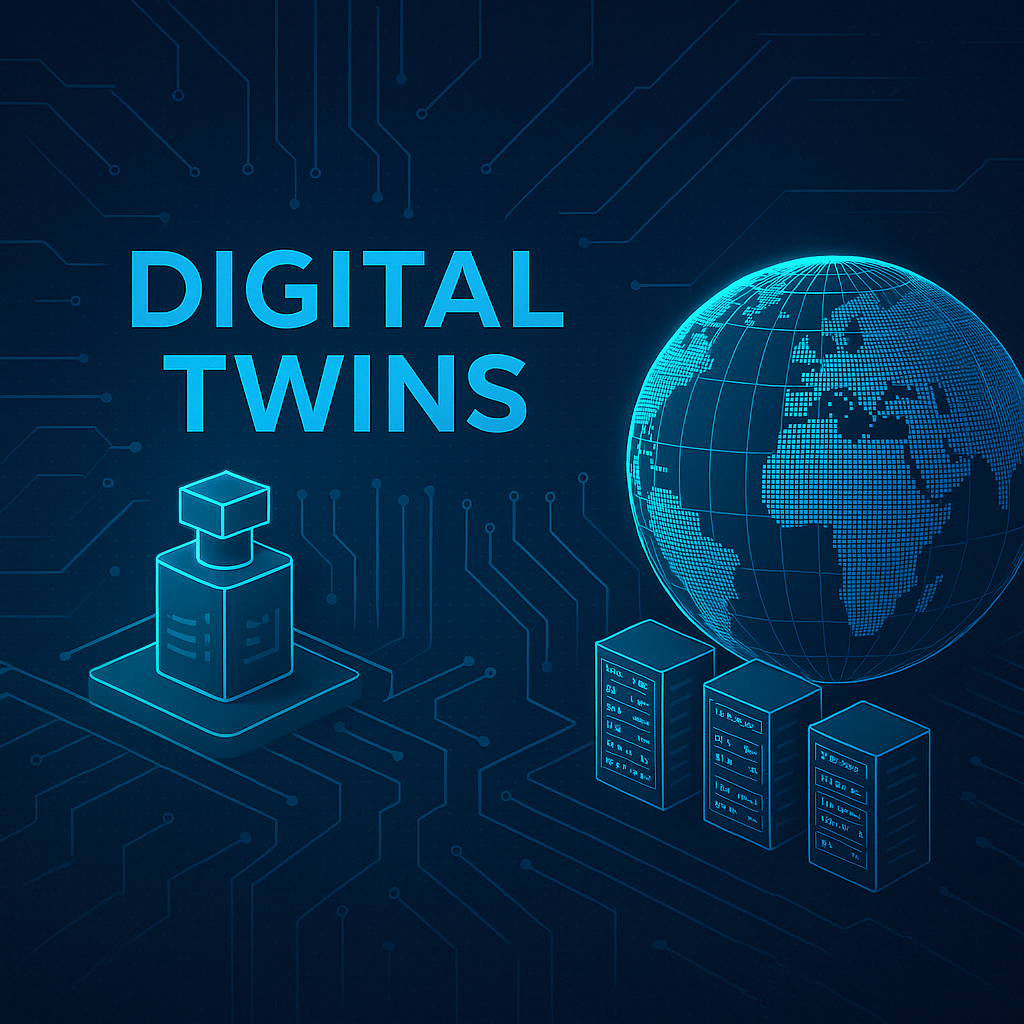
In an era of rapid digital transformation, one technological marvel is redefining how we interact with the physical world: Digital Twins. A powerful fusion of real-time data and virtual simulation, digital twins are revolutionizing industries by enabling smarter decision-making and greater operational efficiency.


What Are Digital Twins?

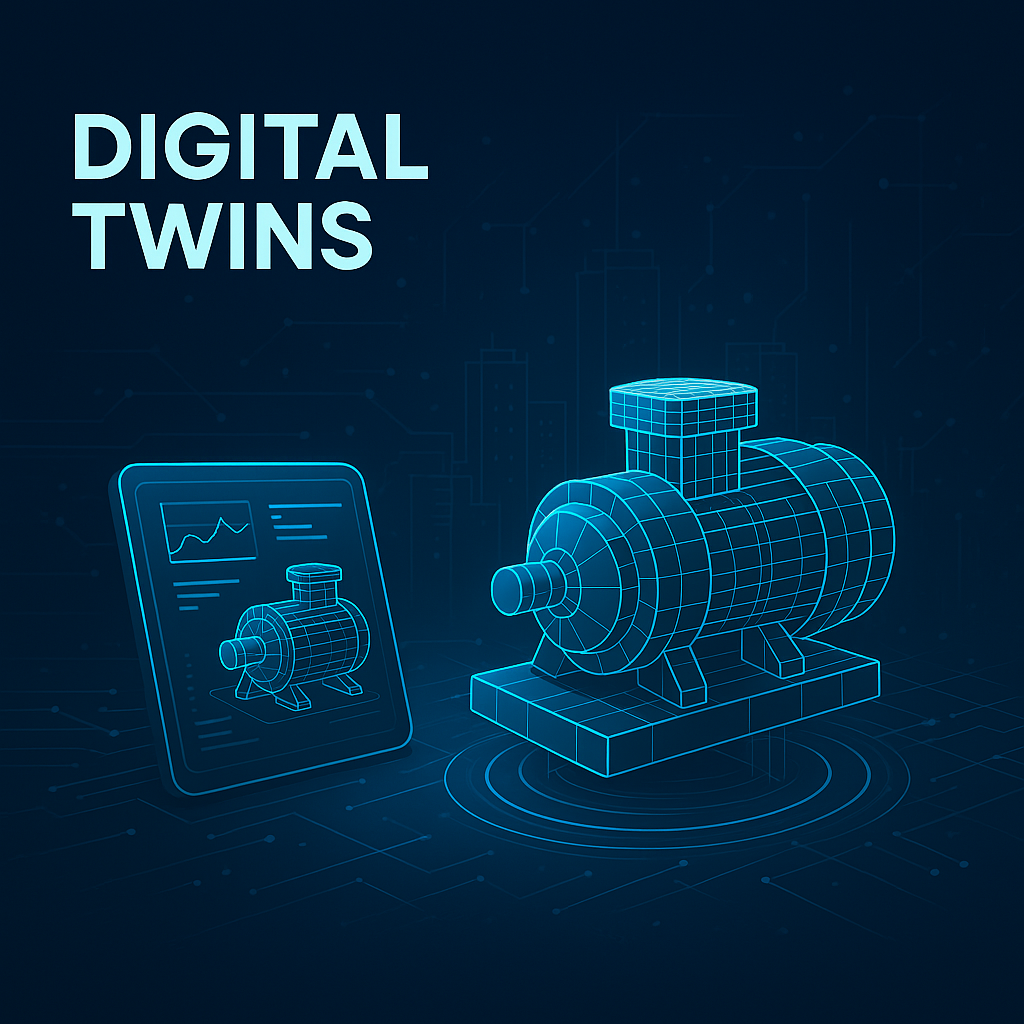
A Digital Twin is a real-time digital counterpart of a physical object, system, or process. Through the integration of IoT sensors, AI analytics, and cloud computing, these twins allow businesses to monitor, predict, and optimize operations with unmatched accuracy.


Why They Matter

  • Real-Time Insights: Monitor systems continuously with live data.

  • Predictive Maintenance: Anticipate failures and reduce downtime.

  • Simulation & Testing: Run models virtually before physical implementation.

  • Improved Efficiency: Optimize workflows and resource usage.

  • Smart Decision-Making: Act on data-driven insights.


Applications Across Industries

🏭 Manufacturing

Track equipment performance and prevent breakdowns before they happen.

🏙️ Smart Cities

Manage traffic flow, utilities, and infrastructure with greater precision.

🚗 Automotive & Aerospace

Design and test vehicles with digital models to reduce development time.

⚕️ Healthcare

Create personalized simulations for patients to plan and test treatments.

Energy

Optimize grid performance and predict power usage patterns.


The Road Ahead

As AI, 5G, and cloud computing continue to evolve, Digital Twins will grow more autonomous, transforming from passive replicas to intelligent systems capable of making decisions and adapting in real time.


Conclusion

Digital Twins are not just digital copies—they are digital command centers that empower innovation and efficiency. As businesses adapt to this emerging tech, they position themselves at the forefront of a smarter, more connected future.


🔗 Follow Aviera Labs for more tech insights: Facebook
🌐 Discover our innovation-driven services: AvieraLabs.com

The Emergence of Digital Twins: Bridging the Physical and Virtual Worlds

By Technology & Innovation

Introduction

In a rapidly digitalizing world, businesses are constantly seeking innovative solutions to optimize processes, reduce downtime, and improve decision-making. One of the most transformative technologies gaining momentum today is Digital Twins. This concept goes beyond simulation—offering real-time digital replicas of physical objects, systems, or processes.

What are Digital Twins?

A Digital Twin is a dynamic, virtual representation of a physical asset or process. It uses real-time data, sensors, and advanced analytics to mirror its real-world counterpart. As the physical object changes, the digital twin updates in parallel, providing valuable insights and enabling predictive maintenance, testing, and innovation.

Why Digital Twins Matter

  • Real-Time Monitoring: Offers live updates on performance and health of physical systems.

  • Predictive Maintenance: Anticipates potential failures before they occur, reducing downtime and costs.

  • Design & Simulation: Enables engineers to test and optimize systems before physical implementation.

  • Operational Efficiency: Helps streamline production, logistics, and energy usage.

  • Enhanced Decision-Making: Informs strategy based on accurate and current data.

Applications Across Industries

Manufacturing

Digital twins help monitor machinery, predict malfunctions, and optimize operations—leading to smarter factories.

Healthcare

They assist in personalizing treatment plans by replicating organs or patient-specific biological systems for simulations.

Smart Cities

Urban planners use digital twins to simulate traffic, waste management, and energy distribution for efficient city management.

Automotive & Aerospace

Used for testing vehicle designs, monitoring fleet performance, and managing aircraft maintenance.

Energy Sector

Energy companies utilize digital twins to monitor grids, predict failures, and optimize resource distribution.

The Future of Digital Twins

As IoT, AI, and 5G technologies continue to evolve, Digital Twins will become more intelligent and autonomous. Their role will expand beyond visualization into decision-making, automation, and even AI-driven self-healing systems.

Conclusion

Digital Twins are reshaping industries by bridging the gap between physical and digital realms. With accurate simulations and real-time data insights, organizations can operate more efficiently, reduce costs, and innovate with confidence.


🔗 Follow Aviera Labs for more tech insights: Facebook
🌐 Explore our innovations: AvieraLabs.com

#DigitalTwins #TechInnovation #SmartTechnology #Industry40 #IoT #FutureOfWork #AvieraLabs

Let me know if you’d like an image or banner to go along with this!